A Comprehensive TikTok Framework for App Marketing
A practical TikTok framework for app marketing: hooks, demo videos, slideshows, a posting schedule and the metrics that show what drives installs.
Understanding TikTok's Algorithm for App Promotion
To effectively market your app on TikTok, you must first grasp how TikTok's algorithm dispenses content. The platform prioritizes engagement, which typically translates into likes, shares, and comments.
- Overview of TikTok's content distribution mechanics: TikTok uses an algorithm that analyzes how viewers interact with your content during the initial views. Factors influencing visibility include user behavior data (likes, shares, comments) and how well your content resonates with a specific audience.
- Relevance of engagement rates and user interaction: A high engagement rate signals to TikTok that your post is worth sharing, prompting the algorithm to push it to more users. Consistent user interactions will enhance your content's reach over time.
- How to leverage trending topics within the app niche: By following trending hashtags and challenges within your app's domain, you can create content that aligns with audience interests, further boosting engagement.
Example
Sample breakdown of engagement metrics:
- Likes: Total number of likes
- Shares: Total number of shares
- Comments: Total number of comments Engagement Rate = (Likes + Shares + Comments) / Total Views
Creating Captivating Hooks for Your App Content
In the crowded TikTok feed, capturing attention quickly is paramount. Hooks are your first impression.
- Importance of a strong hook in the first seconds: You only have a few seconds to grab your viewers' attention before they swipe away. A compelling hook can drastically improve your video’s performance.
- Strategies for crafting hooks that convert viewers to app users: Use relatable problems, surprising facts, or engaging questions. For example, posing a problem that your app solves effectively draws in viewers.
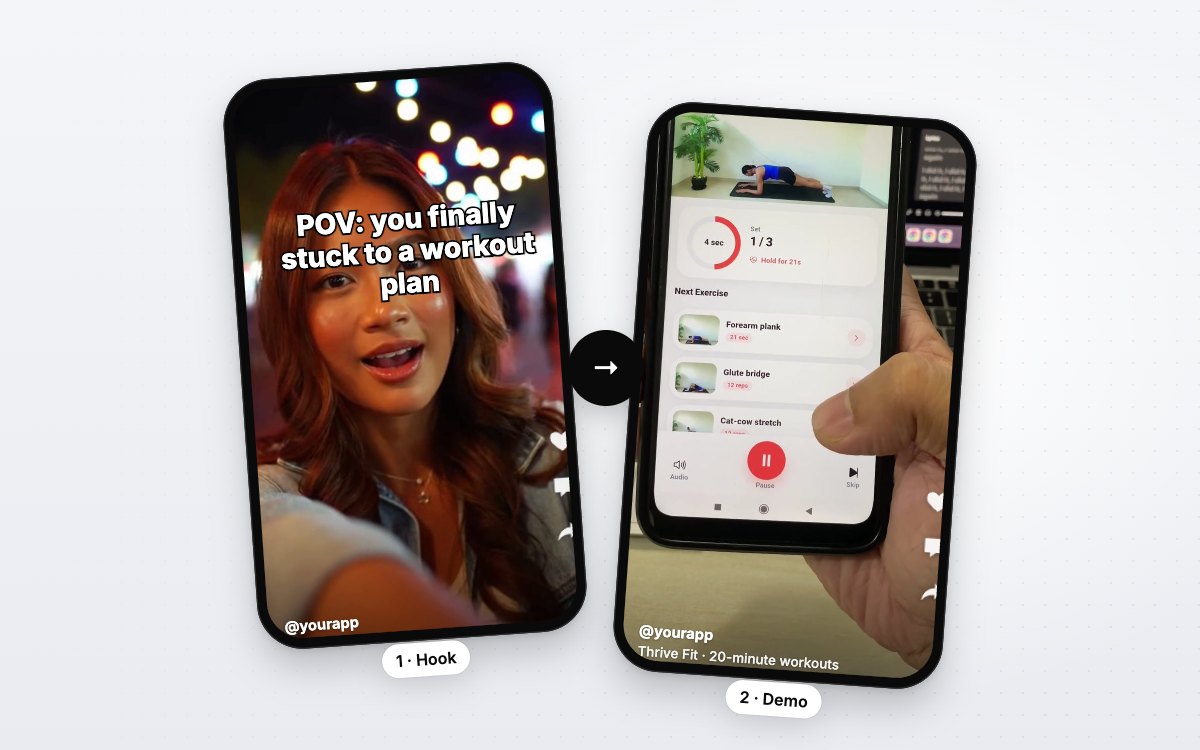
- Utilizing TikTok hook formulas specific to your app genre: Consider using formulas such as 'How to [achieve a result] in [timeframe]' or 'POV: You [state of frustration]'.
Example
Three sample hooks for an educational app:
- "Struggling with studying? Here’s how to ace your exams in 30 days!"
- "Did you know most students study for exams the wrong way?"
- "This is the only app you need for exam success – here’s why!"
Developing Engaging Demo Videos with Effective Captions
Your app must showcase its value through compelling demo videos that resonate with potential users.
- Guidelines for filming a compelling demo of your app: Focus on user pain points and show how your app provides a solution in a straightforward manner. Ensure clarity and succinctness in your demos.
- How to structure captions that lead viewers to take action: Captions should summarize the video’s message and emphasize a call-to-action (CTA). Think about what you want viewers to do next after watching.
- Utilizing ClipsPilot’s Hook & Demo format efficiently: This format allows you to create a compelling short video that captures interest quickly and leads straight into your app demo.
Example
Sample caption: "Watch how our app helps students study better in just 10 minutes a day!"
Leveraging Slideshow Autopilot Content for Visual Engagement
Slideshows on TikTok allow for a visually appealing way to convey your app’s benefits effectively.
- Best practices for selecting photos for a slideshow: Use high-quality, relevant images that align with your message. Each image should relate closely to the core message of your slideshow.
- Creating a visually appealing carousel that resonates with app users: Use clear titles, readable text styles, and organized slides that maintain a consistent theme throughout.
- Text styles that enhance readability and engagement: Choose fonts and colors that are easily readable at a glance and ensure they contrast with the background.
Example
Example of a photo carousel structure:
- Cover slide (App name + tagline)
- Benefit slide (Feature highlight)
- User testimonial slide (Quote from beta testers)
Optimal Posting Schedule for App-Focused TikTok Accounts
Consistent posting is essential for TikTok success. Here's how to structure your posting schedule effectively:
- Identifying peak engagement times for target demographic: Analyze when your target audience is most active on TikTok and tailor your posts for these times.
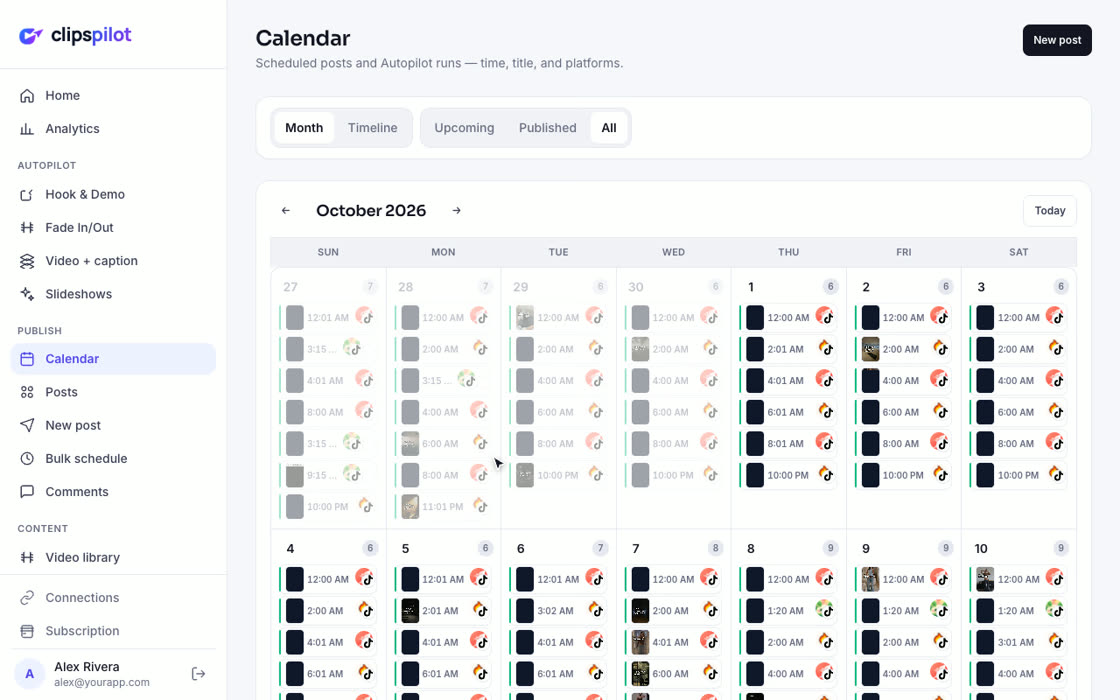
- Different posting frequencies tested in app marketing: Aim for 1–3 posts daily at different times to evaluate engagement and preferences.
- How to adapt posting schedules based on content performance analytics: Use TikTok’s analytics tools to track which times yield the highest engagement. Adjust your schedule based on the data.
Example
Sample posting schedule:
- Post 1: Hook & Demo on Monday at 6 PM
- Post 2: Slideshow on Wednesday at 12 PM
- Post 3: Demo with a caption on Friday at 3 PM
Analyzing TikTok Metrics for Continuous Improvement
Measuring performance is vital to refining your TikTok strategy over time.
- Key metrics to track for app marketing success: Focus on engagement, video views, profile visits, clicks to the app store, and installs.
- Tools and methods for analyzing organic performance: Use TikTok analytics, third-party tools, or even Google Analytics for more insight on traffic.
- Adjusting content strategy based on analytical insights: Regularly review performance metrics and adjust your approach based on the results. Test new content formats, angles, or posting times to continually optimize engagement and conversions.
Example
A simple weekly report: views, engagement rate, profile visits, link clicks and app downloads for each post, so you can see which hooks and formats lead to installs.
FAQ
What types of videos work best on TikTok for apps?
Short, engaging videos that clearly demonstrate a problem and how the app solves it work best.
How do I measure the success of my TikTok marketing efforts?
Monitor key metrics such as engagement rates, profile visits, link clicks, and app downloads.
What are the best practices for scheduling posts on TikTok?
Identify peak times for your audience, try different posting frequencies, and use TikTok analytics to adjust your strategy.
How can I create a consistent posting strategy without burnout?
Automate some of your content creation with tools like ClipsPilot, allowing you to batch generate content efficiently.